
Vehicle Reconditioning in Windsor: Beat Winter Salt Damage
Vehicle reconditioning in Windsor means deep-cleaning and sealing every hidden surface of your car before road salt gets the chance to cause rust. It's the difference between a vehicle that lasts a decade and one that starts showing corrosion in year three. October is the ideal window to act, before the first heavy brine applications hit local roads.
Show Shine Detail works with Windsor drivers every fall to prep vehicles for the punishing months ahead. Once you understand what road salt actually does to a car, the urgency makes a lot more sense.
Why Windsor's Winters Are So Hard on Vehicles
Ontario crews apply an enormous amount of road salt and liquid brine each winter season, somewhere in the range of 3 to 5 million tonnes provincewide. That salty slurry doesn't stay on the pavement. It gets kicked directly into your undercarriage, wheel wells, and inner door seams every time you drive.
Water evaporates on its own. Salt does not. Left behind, salt crystals continuously pull moisture from the air, feeding the exact chemical reaction that produces rust.
Standard car washes barely touch this problem. Most rinse only the visible exterior, missing roughly 80% of the vehicle where damage actually starts.
What Happens When Salt Goes Untreated
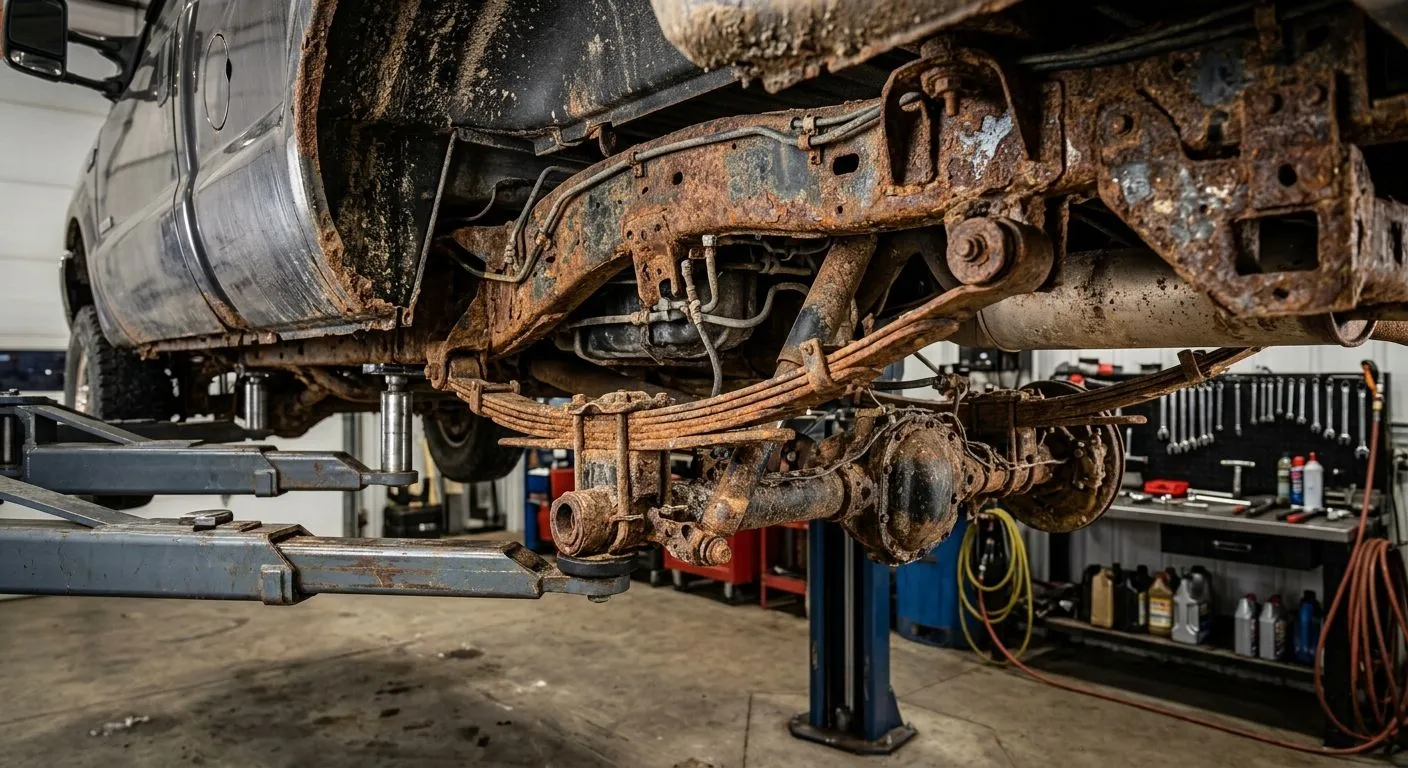
Rust rarely announces itself early. It works quietly inside wheel wells and rocker panels long before a bubble appears on the paint.
By the time corrosion becomes visible, the damage is often already structural. Repair costs for advanced rust can run between $2,000 and $5,000, depending on how far it has spread.
That price tag is exactly why proactive reconditioning makes financial sense. A few hours of professional attention now is far cheaper than bodywork later.
What Professional Vehicle Reconditioning Windsor Services Actually Involve
Reconditioning goes well beyond a typical wash and vacuum. It's a systematic decontamination process aimed at neutralizing salt before it can start the corrosion cycle.
A thorough service generally includes:
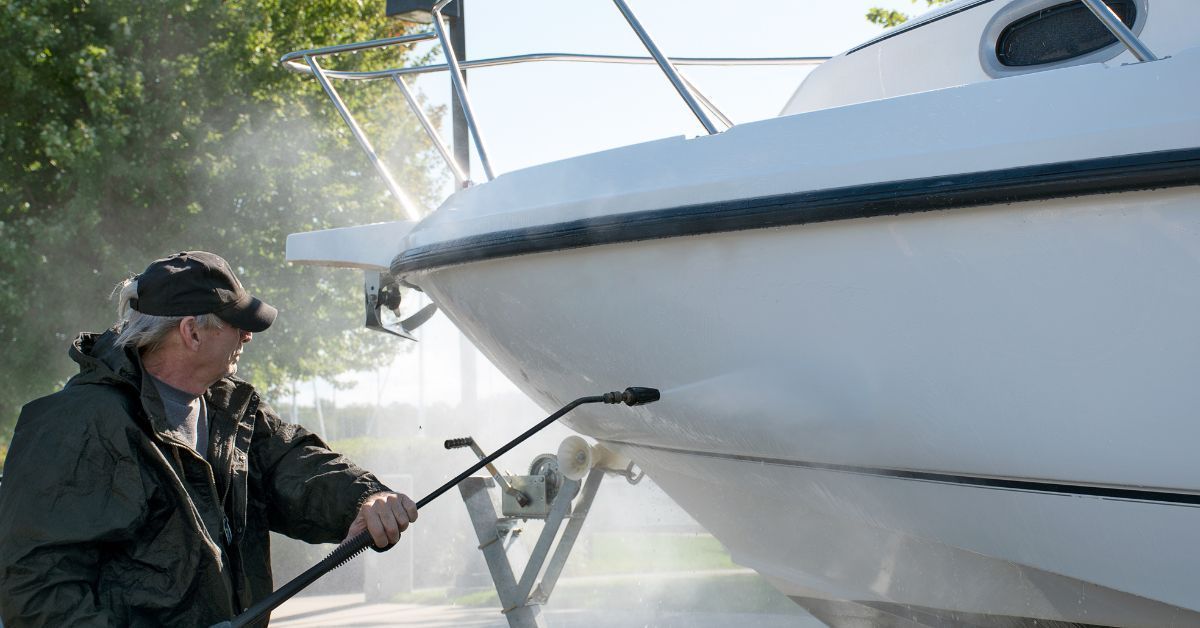
- High-pressure chemical neutralizers applied to the undercarriage and wheel wells
- Deep cleaning of door jambs, seams, and other salt-trapping crevices
- Specialized undercarriage sealants that create a physical barrier against brine
- Full interior decontamination to remove salt residue tracked in on boots and mats
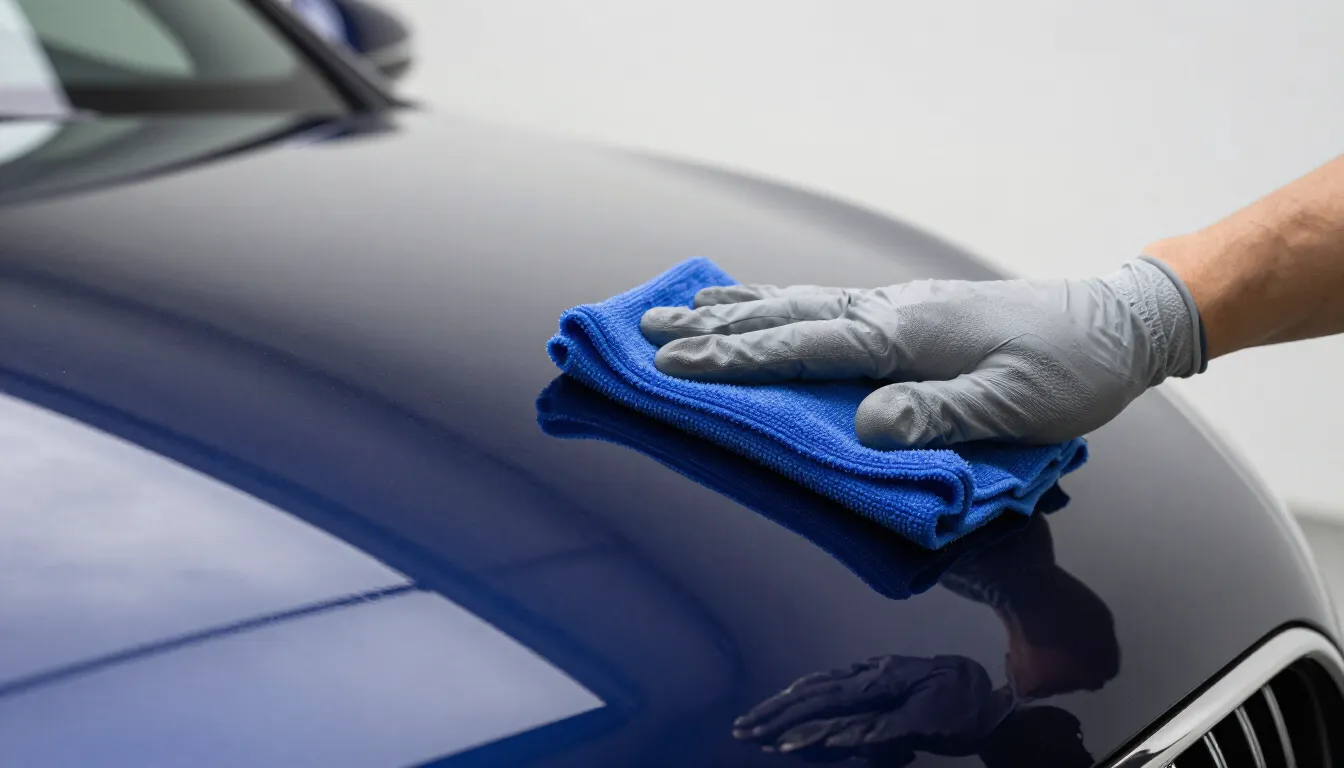
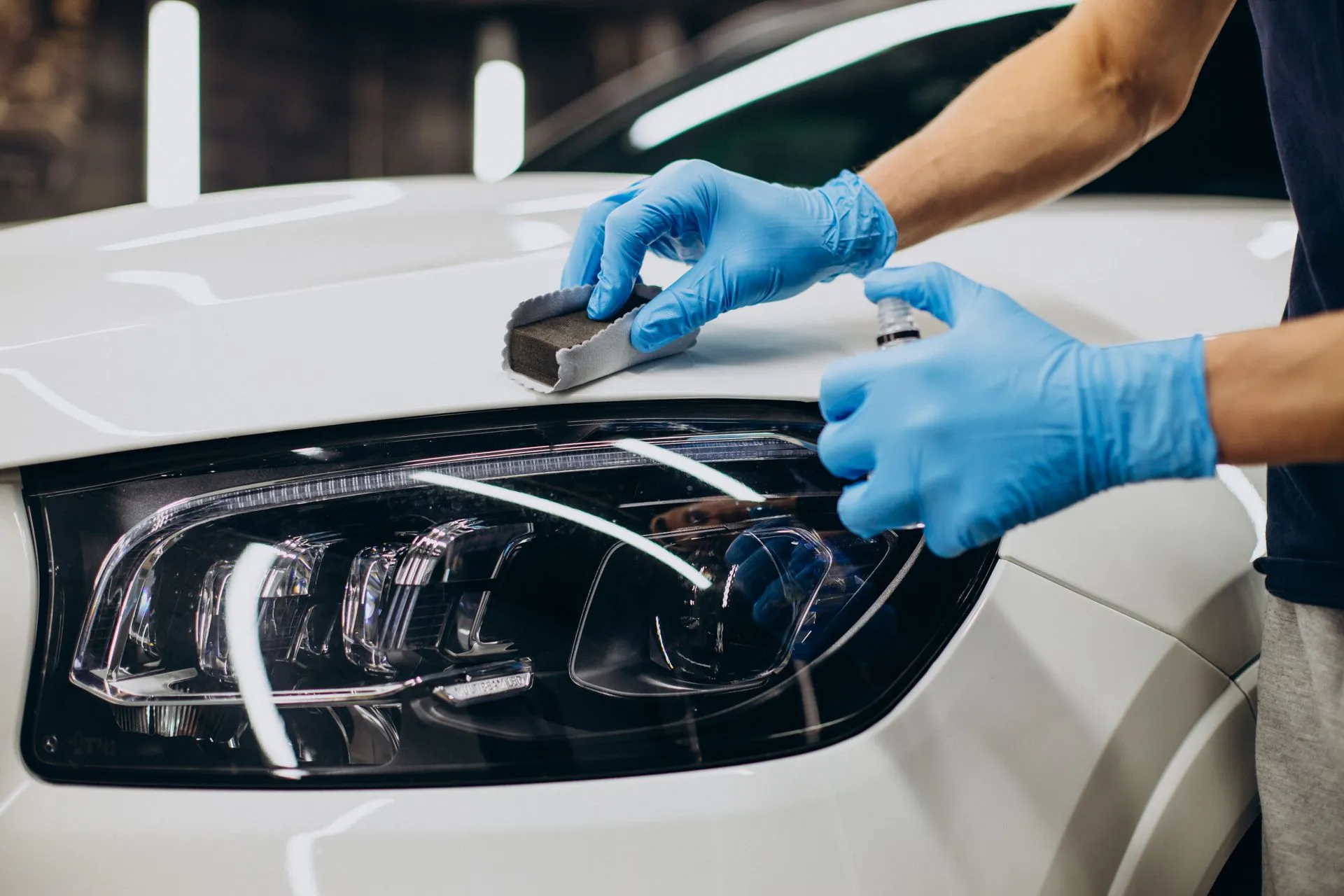
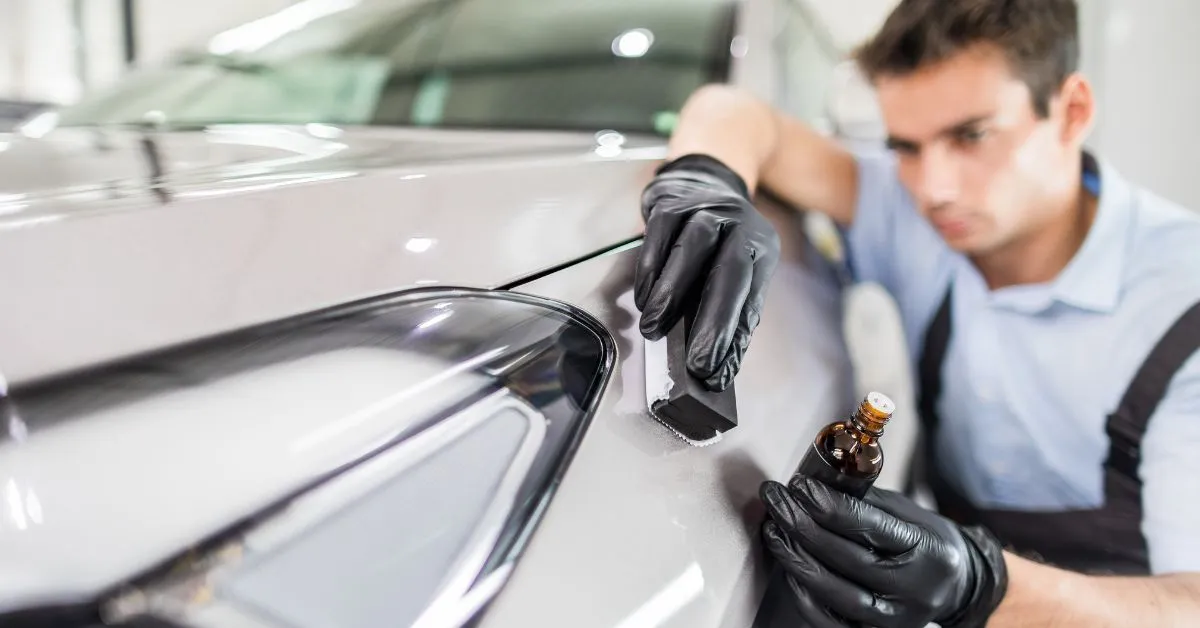
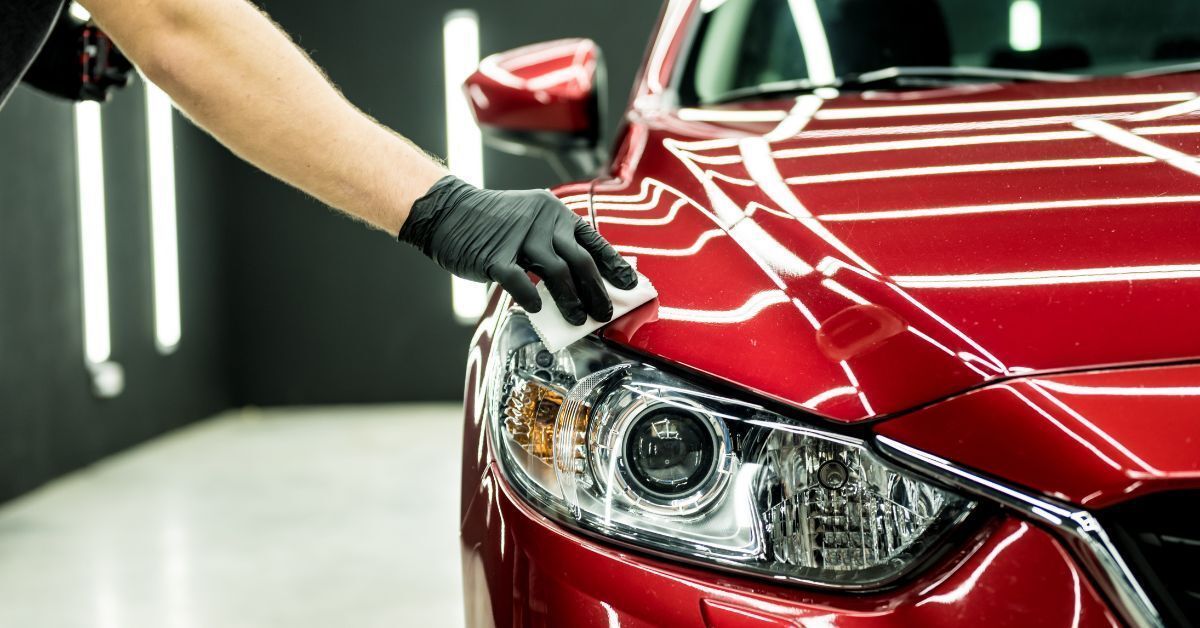
- A protective exterior treatment to shield paint from winter grime buildup
Each step targets a specific weak point that regular washing simply can't reach. Together, they form a real defense system rather than a quick cosmetic fix.
Why October Is the Smart Time to Recondition Your Vehicle
Right now, before the first major brine applications begin, is the best window to get ahead of the problem. Reconditioning your vehicle in October means the protective barriers are fully cured and ready before salt starts flying.
Waiting until January often means treating a vehicle that's already been exposed for weeks. At that point, you're managing existing damage instead of preventing it.
Fall service appointments also tend to be less rushed, giving technicians more time to be thorough. That extra attention matters when the goal is protecting metal you can't easily see.
The Value Goes Beyond Rust Prevention
Reconditioning isn't only about stopping corrosion. It also restores the look and feel of a vehicle that's been through a rough Windsor winter or two already.
Customers regularly mention how their vehicles come out looking dramatically better than expected, sometimes better than when they first bought them. That transformation comes from combining decontamination with careful surface restoration, not just a quick rinse.
A well-reconditioned vehicle also holds resale value better. Buyers notice clean wheel wells and rust-free rocker panels immediately, even if they can't articulate why the car feels well cared for.
If your vehicle has faced a few Windsor winters already, professional vehicle reconditioning services can reverse a surprising amount of accumulated wear. It's rarely too late to intervene, but earlier is always better.
Frequently Asked Questions
How often should I get my vehicle reconditioned in Windsor?
Once a year, ideally in the fall before heavy salt season begins, covers most daily drivers. Vehicles that see frequent winter driving or coastal-style humidity near the Detroit River may benefit from a mid-winter check as well.
Can reconditioning fix rust that's already started?
Early surface corrosion can often be treated and sealed before it spreads further. Advanced structural rust typically requires body repair work first, with reconditioning applied afterward to prevent recurrence.
Is reconditioning only for older vehicles?
No. Newer vehicles benefit just as much, since preventing the first signs of corrosion is far easier than reversing it later. Protecting a newer car now helps preserve its resale value for years.
Does reconditioning include interior cleaning?
Yes. Salt and grime get tracked into cabins constantly during winter months, so a complete reconditioning service addresses interior decontamination alongside undercarriage protection.
How long does a reconditioning appointment take?
It varies by vehicle condition, but a thorough treatment covering the undercarriage, seams, and interior generally takes longer than a standard wash. Booking ahead of peak winter demand helps ensure enough time for a proper job.
Don't wait for the first snowfall to think about salt damage. Reach out to the Show Shine Detail team today to schedule your vehicle reconditioning before Windsor's winter roads take their toll.